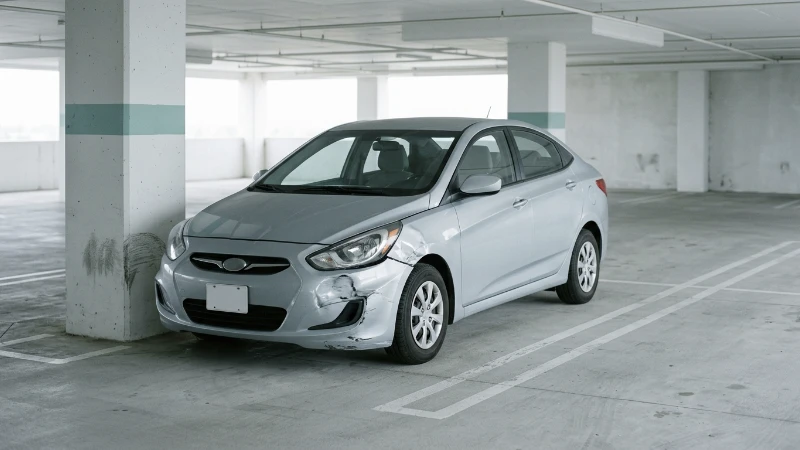
If your financed car is totaled, collision or comprehensive pays what the car was worth, minus your deductible, and that money goes to your lender first. If you owe more than the car was worth, you still owe the difference. Loan or lease gap coverage usually pays that difference, so you aren’t paying off a car you no longer have.
What insurance pays when a car is totaled
An insurer usually declares a car a total loss when repairs would cost more than the car is worth. It then pays based on the car’s market value: what a similar car would sell for today, not what you paid or what you owe (CDI auto insurance guide (opens in a new tab)).
That payout depends on which coverage applies:
- Collision pays if the car was totaled in a crash.
- Comprehensive pays if it was stolen and never found, or destroyed by fire, flood or a falling tree.
- The other driver’s property damage liability pays if they caused the crash, up to their limits.
If you only carry liability, nothing pays for your own car. A lender almost always requires collision and comprehensive for this reason.
Where the gap comes from
A new car loses value quickly, and a loan is paid down slowly. For the first years, you can owe more than the car is worth. The California Department of Insurance puts it plainly: “Auto insurance does not pay off your loan if your car is damaged and its market value is less than what you owe” (CDI auto insurance guide (opens in a new tab)).
You’re more likely to owe more than the car is worth when:
- you put little or nothing down
- the loan runs for many years
- you rolled the balance of an earlier loan into this one
- the car loses value faster than most
What it means in money
Example: your car is totaled a year after you bought it. It’s worth $28,000, but you still owe $32,000 on the loan. Your collision deductible is $500. These amounts are illustrations, not a prediction of any claim.
| Example | Without gap coverage | With gap coverage |
|---|---|---|
| Car’s market value | $28,000 | $28,000 |
| Your deductible | −$500 | −$500 |
| Insurance pays your lender | $27,500 | $27,500 |
| Still owed after that payout | $4,500 | $4,500 |
| Gap coverage pays | $0 | $4,000 to $4,500 |
| You pay yourself | $4,500, with no car | $0 to $500 |
The range depends on whether your gap coverage also pays your deductible. Check yours.
You keep making loan payments until the lender is paid in full, even while the claim is being settled.
Ways to get gap coverage
- Your car insurer, as loan or lease gap. It’s added to your policy and usually needs collision and comprehensive on the same car.
- The dealer or lender, as GAP. CDI notes dealers and lenders may offer it when you buy (CDI auto insurance guide (opens in a new tab)). If it’s added to the loan, you pay interest on it.
- Your lease contract. Some leases include gap. Read the contract before buying it again.
Ask each one for its price and what it pays, including any limit on the amount, and whether it covers your deductible.
When gap coverage stops mattering
Gap coverage only pays when you owe more than the car is worth. As you pay down the loan, the gap shrinks. Once your balance is below the car’s value, gap coverage has nothing left to pay.
To check where you are:
- Find your loan payoff amount from your lender.
- Look up what similar cars sell for today.
- If the payoff is higher, the difference is what you’d owe after a total loss, plus your deductible.
If you bought gap coverage from a dealer or lender and pay off the loan early, ask whether part of what you paid can be refunded.
What to do next
Check your policy’s declarations page for loan or lease gap coverage, and your loan papers for GAP. Then compare your payoff amount with your car’s value. If you owe more and have neither, you know the amount a total loss would leave you paying. You can then compare estimates with loan or lease gap added to your policy.